
In 2026, the demand for real estate sponsoring broker expertise is reaching new heights, especially in thriving markets like Frisco and across the Dallas-Fort Worth metroplex. As a real estate sponsoring broker, you play a pivotal role in building successful teams, ensuring compliance, and shaping agent achievements.
This career offers substantial rewards, from leadership opportunities to increased earning potential and a powerful influence in the market. In this guide, you will discover a clear, actionable path to becoming a real estate sponsoring broker. We will cover role definitions, licensing, business setup, legal compliance, and proven strategies for brokerage growth.
Understanding the Role of a Real Estate Sponsoring Broker
A real estate sponsoring broker is the cornerstone of any successful brokerage, especially in dynamic regions like Frisco and the Dallas-Fort Worth metroplex. This role stands apart from sales agents and associate brokers due to its higher level of responsibility, decision-making authority, and legal accountability. Unlike sales agents, a real estate sponsoring broker has the power to supervise, train, and be legally responsible for the actions of their team. Daily duties include compliance oversight, contract review, and agent mentorship. For a clear picture of how these responsibilities play out in practice, you can view real-world examples of broker leadership and team structure at Meet our real estate team. Notable brokerages in the DFW area often set the standard for compliance, mentorship, and growth.

Defining the Sponsoring Broker
The daily operations of a real estate sponsoring broker are both demanding and rewarding. Tasks include overseeing transactions, managing trust accounts, and resolving disputes swiftly. In the DFW market, brokers must also supervise continuing education for agents, ensuring everyone stays updated with Texas real estate laws and the latest NAR guidelines. Technology is rapidly transforming broker operations, with digital platforms streamlining document management, transaction tracking, and communication. However, the fast pace of the Dallas-Fort Worth region brings unique operational challenges, such as adapting to new tech and handling high transaction volumes. Staying organized and proactive remains crucial for success as a real estate sponsoring broker.
Key Responsibilities and Daily Operations
The role of a real estate sponsoring broker comes with significant rewards and unique challenges. On the positive side, brokers in the Dallas-Fort Worth area benefit from commission overrides, enhanced market reputation, and the satisfaction of leading high-performing teams. However, challenges are real: legal liability, agent turnover, and strict compliance demands can create pressure. The region’s rapid population growth and housing demand add an extra layer of complexity. Established brokers often cite the need for adaptability, especially as 2026 brings increased expectations for tech adoption and remote team management. Balancing growth with compliance is key to long-term success as a real estate sponsoring broker.
Benefits and Challenges of the Sponsoring Broker Role
Licensing and Educational Requirements in Texas
Becoming a real estate sponsoring broker in Texas starts with understanding the state’s rigorous licensing and educational standards. The Dallas-Fort Worth metroplex, including Frisco, attracts ambitious professionals eager to advance, but the path requires careful planning and compliance.
Prerequisites for Becoming a Sponsoring Broker
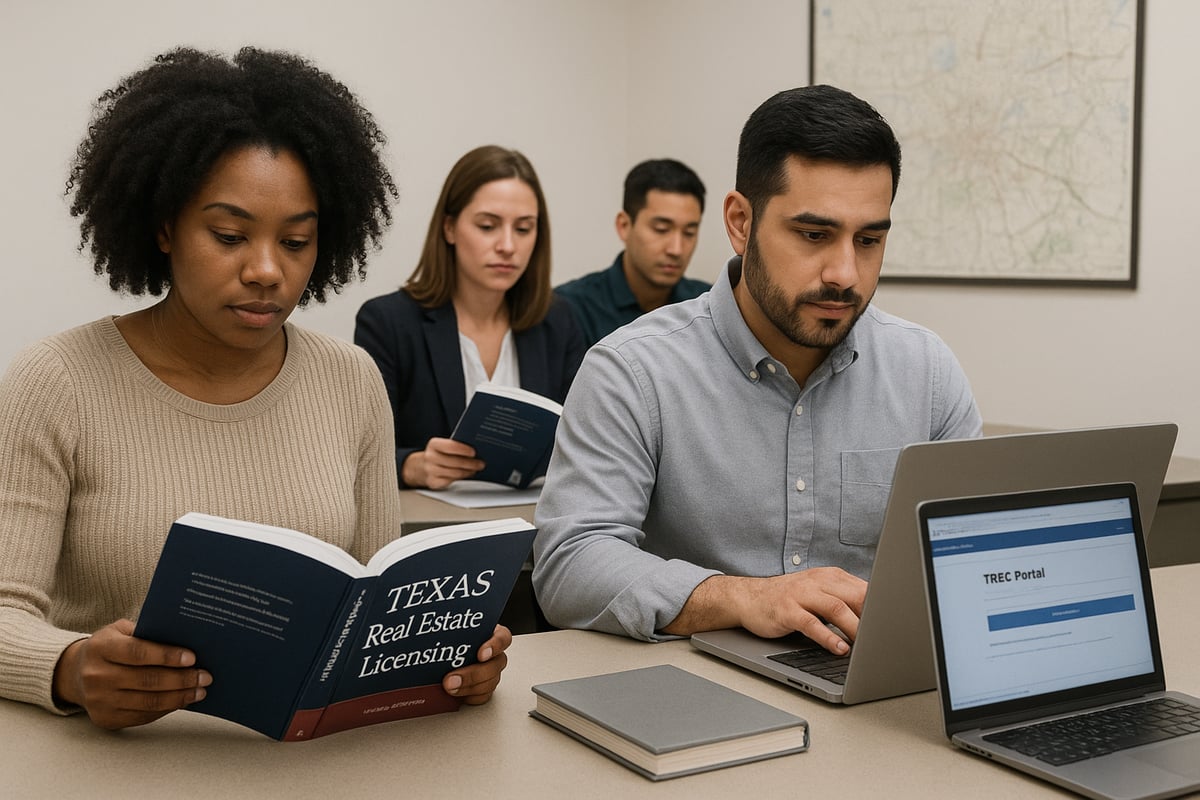
To qualify as a real estate sponsoring broker in Texas, candidates must first meet specific experience and education requirements. State law mandates that you hold an active sales agent license for at least four years within the preceding five, with a strong transaction history. In the DFW region, many aspiring brokers gain experience by handling a variety of property types, from residential sales in Frisco to commercial deals in Dallas.
Texas also requires completion of 900 classroom hours in real estate-related courses, including mandatory core subjects. A background check and demonstration of moral character are essential, as the state prioritizes ethical leadership. According to local trends, the transition from agent to broker is especially strong in Frisco, where market growth creates new leadership opportunities.
Broker Licensing Process in Texas
The next step for a real estate sponsoring broker is navigating the Texas licensing process. This begins with submitting proof of education, completing an online application through TREC, and scheduling fingerprinting for a criminal background check. Once approved, candidates must take the Texas Real Estate Broker Exam, which covers contracts, law, finance, and brokerage management.
Recent updates for 2026 have increased the minimum experience points and adjusted course requirements. For the most accurate and up-to-date details, the Texas broker licensing requirements page is an essential resource. In the Dallas-Fort Worth area, pass rates highlight the need for thorough exam preparation, often through local study groups or prep courses. Ensure all documentation is complete and fees are paid promptly to avoid delays.
Continuing Education and Renewal
Maintaining status as a real estate sponsoring broker in Texas requires ongoing commitment to professional development. Brokers must complete annual continuing education hours, including legal updates and ethics courses. In Frisco and throughout DFW, providers offer flexible online and in-person options tailored to busy professionals.
Compliance is critical. TREC regularly audits brokers, and recent enforcement actions in the metroplex underscore the importance of timely renewal and accurate records. Proactive brokers stay ahead by subscribing to regulatory updates and participating in local association workshops. This approach not only safeguards your license but sets the standard for your team’s success.
Step-by-Step Guide to Becoming a Real Estate Sponsoring Broker
Launching your real estate sponsoring broker journey in the Dallas-Fort Worth metroplex requires a methodical approach. The process is designed to ensure that future leaders in the industry are well-prepared for the demands of the local market and the evolving needs of Texas real estate.

Gaining the Necessary Experience
To qualify as a real estate sponsoring broker in Texas, you must first build a strong foundation as a licensed sales agent. Aim for a robust transaction history across residential, investment, and relocation properties. In Frisco and the broader Dallas-Fort Worth region, agents often accelerate their growth by seeking mentorship from established brokers and networking through organizations like the MetroTex Association of Realtors.
Consider joining local real estate groups to expand your knowledge and visibility. Successful career paths in North Texas usually include exposure to a variety of transactions and active involvement in community events. By focusing on diverse experiences, you position yourself as a well-rounded candidate for the real estate sponsoring broker role.
Completing Education and Passing the Broker Exam
After gaining experience, the next step is to complete broker pre-license education. In DFW, many agents choose providers with strong reputations for exam preparation and student support. Look for courses that offer flexible schedules and up-to-date curriculum, as Texas requirements are evolving.
Preparation is key: form study groups, use practice exams, and attend review sessions. The Texas Real Estate Commission (TREC) broker exam covers legal, ethical, and transactional topics. For 2026, TREC has announced key rule updates for brokers, including higher experience points and additional education hours. Stay informed of these changes to ensure you meet all qualifications for the real estate sponsoring broker exam.
Submitting Your Broker Application and Background Check
Once you have completed your education and passed the exam, it is time to submit your broker application through TREC. Gather all required documents, such as transcripts and proof of experience. The application process includes fingerprinting and a background check, both standard procedures for Texas brokers.
Expect a review period that may take several weeks. To avoid delays, double-check each section of your application for accuracy. Common mistakes include missing signatures or incomplete transaction logs. If you need help, local TREC offices in the DFW area offer resources and guidance. Completing this step accurately is essential for becoming a licensed real estate sponsoring broker.
Setting Up Your Real Estate Brokerage
With your license in hand, you are ready to establish your real estate sponsoring broker business. Decide on a legal structure that fits your goals, such as an LLC or S-corp, and register your business with the state. In Frisco and Dallas-Fort Worth, many brokers weigh the benefits of physical versus virtual office space, considering the region's competitive landscape.
Secure necessary insurance, like errors and omissions and general liability. Building your brand is crucial. Develop a clear value proposition and leverage local marketing channels. A strong brokerage identity will help you attract top agents and clients, setting your real estate sponsoring broker business apart in the DFW market.
Legal Compliance and Risk Management in Texas
Navigating legal compliance is fundamental for any real estate sponsoring broker in Texas. The Dallas-Fort Worth metroplex and Frisco present unique challenges due to rapid growth and evolving regulations. Effective risk management not only protects your brokerage but also enhances your reputation in a competitive market.

Understanding State and Local Regulations
Every real estate sponsoring broker must master the Texas Real Estate Commission (TREC) rules, the Texas Occupations Code, and the local ordinances that shape daily operations. In Frisco and across Dallas-Fort Worth, additional zoning, signage, and advertising rules apply. For example, Frisco has strict guidelines about real estate signage to preserve community aesthetics.
Staying updated on recent legal changes is crucial. In 2026, new TREC advertising rules and digital marketing disclosures are impacting how brokerages present listings online. Compliance checklists are essential tools for brokers to avoid missed steps, especially when managing a growing team.
Common legal pitfalls in the area include improper advertising, missing disclosures, and non-compliance with local signage laws. Regular review of local ordinances and participation in legal update courses helps reduce these risks for every real estate sponsoring broker.
Managing Trust Accounts and Financial Compliance
A real estate sponsoring broker is responsible for managing client funds according to Texas trust account laws. This includes holding earnest money in a designated trust account and ensuring all disbursements are documented and authorized. In the DFW region, TREC conducts random audits, and meticulous recordkeeping is mandatory.
Violations such as commingling client funds or failing to reconcile accounts can result in severe penalties, including license suspension. Local cases in Dallas have highlighted the consequences of lax financial controls. To minimize risk, brokers should implement robust accounting software and conduct regular internal audits.
Best practices include separating operational and trust accounts, maintaining transaction logs, and training staff on compliance procedures. These steps ensure that the real estate sponsoring broker maintains financial integrity in every transaction.
Supervising Agents and Ensuring Ethical Practices
Supervising agents goes beyond contract review. A real estate sponsoring broker must establish onboarding protocols, training programs, and regular supervision to ensure agents act ethically and comply with both TREC and NAR standards. In fast-growing areas like Frisco, fostering an ethical culture is especially important as new agents enter the market.
Ethics training is not optional. Brokers should require periodic sessions on the NAR Code of Ethics and local fair housing laws. Dilemmas such as dual agency, undisclosed relationships, or handling multiple offers are common in the DFW market.
Building a professional environment requires clear policies and open communication. For more localized insights into best practices for agent management and ethical standards in Frisco, see Realtors in Frisco, Texas. These strategies help every real estate sponsoring broker reduce risk and uphold a standard of excellence.
Building and Growing a Successful Brokerage in the DFW Metroplex
Building a thriving real estate sponsoring broker business in the Dallas-Fort Worth metroplex requires a strategic approach. The DFW area’s rapid growth, diverse communities, and competitive landscape present both challenges and opportunities for those ready to lead. Let’s break down the essential steps to recruit top talent, boost your brokerage’s visibility, leverage technology, and scale for future success.
Recruiting and Retaining Top Agents
Attracting and retaining top agents is the foundation for any real estate sponsoring broker aiming for long-term success in Frisco and the wider DFW area. Start by offering competitive compensation models that balance commission splits with value-added services. High-impact training programs, mentorship, and a supportive workplace culture help foster loyalty and professional growth.
The best real estate sponsoring broker leaders invest in onboarding processes that make agents feel welcomed and empowered. Highlighting your brokerage’s unique value proposition—such as advanced marketing support or flexible work arrangements—can set you apart. Success stories in Frisco consistently point to strong leadership, transparent communication, and a focus on agent well-being as critical retention drivers.
Marketing Your Brokerage for Maximum Visibility
Standing out as a real estate sponsoring broker in the Dallas-Fort Worth metroplex demands a robust marketing strategy. Digital marketing should be front and center, including SEO, targeted social media campaigns, and local listing optimization. Community involvement, such as sponsoring local events or supporting charitable causes, builds trust and brand recognition.
Forming partnerships with lenders, builders, and relocation specialists can expand your reach. For inspiration, examine Dallas-Fort Worth real estate market trends to understand what’s driving visibility and growth. Adapt your strategy to align with emerging trends, ensuring your brokerage remains top of mind for clients and agents alike.
Leveraging Technology and Tools for Efficiency
Efficiency is key for a successful real estate sponsoring broker operation in the DFW region. Invest in transaction management systems, CRM platforms, and marketing automation tools to streamline daily tasks. Virtual office solutions and remote team management technologies are increasingly essential, especially with more agents seeking flexibility.
Brokerages that quickly adopt cutting-edge technology gain a distinct competitive edge. In Frisco, several firms have embraced virtual showings and AI-driven lead generation, enhancing both client experience and agent productivity. Evaluate new platforms regularly and provide thorough training to ensure your team maximizes every tool’s value.
Scaling Your Brokerage for Long-Term Success
Scaling as a real estate sponsoring broker in DFW involves careful planning and adaptability. Expand your presence by targeting high-growth neighborhoods, exploring niche markets like luxury or relocation services, and maintaining rigorous compliance as your team grows. Establish clear quality control processes to uphold your reputation across multiple locations.
Look to local case studies and peer brokerages for proven strategies. Stay ahead of demographic and economic shifts in North Texas by regularly reviewing market forecasts and adjusting your business model. A forward-thinking approach ensures your brokerage not only grows but thrives as the DFW landscape evolves.
Resources and Support for Aspiring Sponsoring Brokers
Aspiring real estate sponsoring broker professionals in Frisco and the Dallas-Fort Worth metroplex need robust support to thrive. Access to the right networks and educational resources can set the foundation for long-term success in this competitive market.
Professional Associations and Networking Opportunities
Joining respected organizations is essential for anyone pursuing a real estate sponsoring broker career in DFW. Key groups include the Texas Association of Realtors, MetroTex Association, and local chambers of commerce in Frisco and surrounding cities.
Membership offers access to exclusive training, legislative advocacy, and networking opportunities that can directly impact business growth. Major events, such as the MetroTex Realtor Expo and the Frisco Real Estate Summit, provide a platform to build relationships with peers and industry leaders.
Many brokers in North Texas credit their success to connections made through these associations. To maximize your real estate sponsoring broker potential, actively engage in events, volunteer for committees, and seek out mentorship within these organizations.
Recommended Education Providers and Exam Prep Resources
Selecting the right educational partner is critical for aspiring real estate sponsoring broker candidates. Top-rated providers in DFW include Champions School of Real Estate, Kaplan, and Real Estate Express, each offering both online and in-person broker pre-licensing courses.
Online courses provide flexibility, while in-person classes foster collaboration and direct support. When comparing options, consider pass rates, student satisfaction, and access to practice exams. Many brokers find success by combining live instruction with self-paced study materials.
For additional guidance on career progression and exam readiness, review resources like the Associate broker career path guide. Choose a provider that matches your learning style and schedule, ensuring you are fully prepared for every step of the licensing journey.
As you’ve discovered, becoming a real estate sponsoring broker in the Dallas Fort Worth area is a rewarding journey that combines leadership, expertise, and the opportunity to build a respected business. Navigating licensing requirements, mastering compliance, and growing a thriving team all require the right support and insight. If you’re ready to take the next step or simply want expert guidance tailored to your goals, I encourage you to Connect with The Bauer Group. Their experienced team is here to answer your questions, share proven strategies, and help you achieve lasting success in North Texas real estate.