
Imagine a future where selling your home feels as effortless as shopping online. In 2026, this is the new standard for someone that sells houses, transforming the entire real estate experience.
This guide unpacks what it truly means to be someone that sells houses today. You will discover the skills, technologies, and market trends shaping the role.
Explore how modern agents combine digital expertise, client relationships, and innovative tools. Gain actionable insights and proven strategies to excel in an evolving landscape.
Ready to master the art of selling homes in 2026? Let’s dive in.
The Modern Role of Someone Who Sells Houses in 2026
The landscape for someone that sells houses in 2026 is changing rapidly. Today’s real estate professionals are expected to be more than just agents—they are trusted advisors, digital marketers, and tech-savvy consultants. This modern approach is reshaping what it means to succeed in the industry.

Evolving Job Description and Responsibilities
The traditional role of someone that sells houses has shifted significantly. No longer limited to arranging showings and paperwork, today’s agents act as strategic advisors who guide clients through the entire sales process. They leverage digital marketing tactics, analyze market data, and educate clients on trends. Virtual staging and 3D tours are now standard offerings, allowing listings to stand out in a crowded marketplace.
A quick comparison highlights the transformation:
| Old Role | Modern Role |
|---|---|
| Facilitator | Advisor & Marketer |
| In-person showings | Virtual/Hybrid Tours |
| Paper contracts | Digital transactions |
| Basic listings | Multi-platform, multimedia marketing |
If you want to see how top professionals approach the industry, explore DFW real estate experts for a glimpse into the evolving agent profile.
Regulatory and Licensing Updates
In 2026, regulatory standards for someone that sells houses are stricter than ever. States are updating licensing requirements, demanding ongoing education that focuses on technology, ethics, and digital best practices. For example, Texas now mandates annual certification in digital marketing for all licensed agents. These measures ensure that agents are equipped to serve clients in a fast-changing environment.
Continuing education is no longer just a formality. Agents must stay informed about new regulations and digital tools, ensuring compliance and top-tier service.
Market Specialization and Niches
The path to success for someone that sells houses increasingly involves market specialization. Agents are carving out niches by focusing on hyperlocal markets, eco-friendly homes, smart properties, or luxury segments. This targeted expertise helps agents deliver tailored solutions that resonate with specific client needs.
Specialization enables agents to build deeper relationships with clients and become go-to resources in their chosen segments.
Technological Proficiency as a Core Skill
Mastering technology is now essential for someone that sells houses. From CRM systems to AI-driven lead qualification tools, agents must be comfortable navigating a digital toolkit. In fact, over 70% of top-performing agents utilize AI to qualify leads and streamline workflows.
Virtual platforms, digital signatures, and automated communication solutions are part of daily operations. Agents who embrace these tools offer faster, more efficient service and maintain a competitive edge.
Expanded Service Offerings
Today, someone that sells houses is expected to provide a full suite of services. Concierge offerings—such as repairs, staging, and moving coordination—are increasingly common. Many agents also offer financial and investment advice, helping sellers maximize returns and navigate complex transactions.
This expansion of services reflects a commitment to client satisfaction and long-term relationships.
Increased Transparency and Consumer Empowerment
Transparency is now a cornerstone of the home selling process. Clients expect real-time updates and open access to information. Someone that sells houses often provides seller dashboards, allowing clients to track progress, view feedback, and monitor next steps.
This open approach builds trust and keeps clients engaged throughout the transaction.
Changing Client Expectations
Modern clients demand more from someone that sells houses. They expect personalized, on-demand communication and value speed, convenience, and honesty. Agents must be responsive, adaptable, and dedicated to delivering a seamless experience from listing to closing.
As the industry evolves, those who embrace these changes will continue to thrive.
Step-by-Step Guide: The 2026 Home Selling Process
Navigating the home selling journey in 2026 is both exciting and complex. For someone that sells houses, mastering each step means leveraging technology, market insight, and client-focused strategies. Let’s break down the process into actionable steps, from prepping your property to ensuring clients feel supported long after the sale.
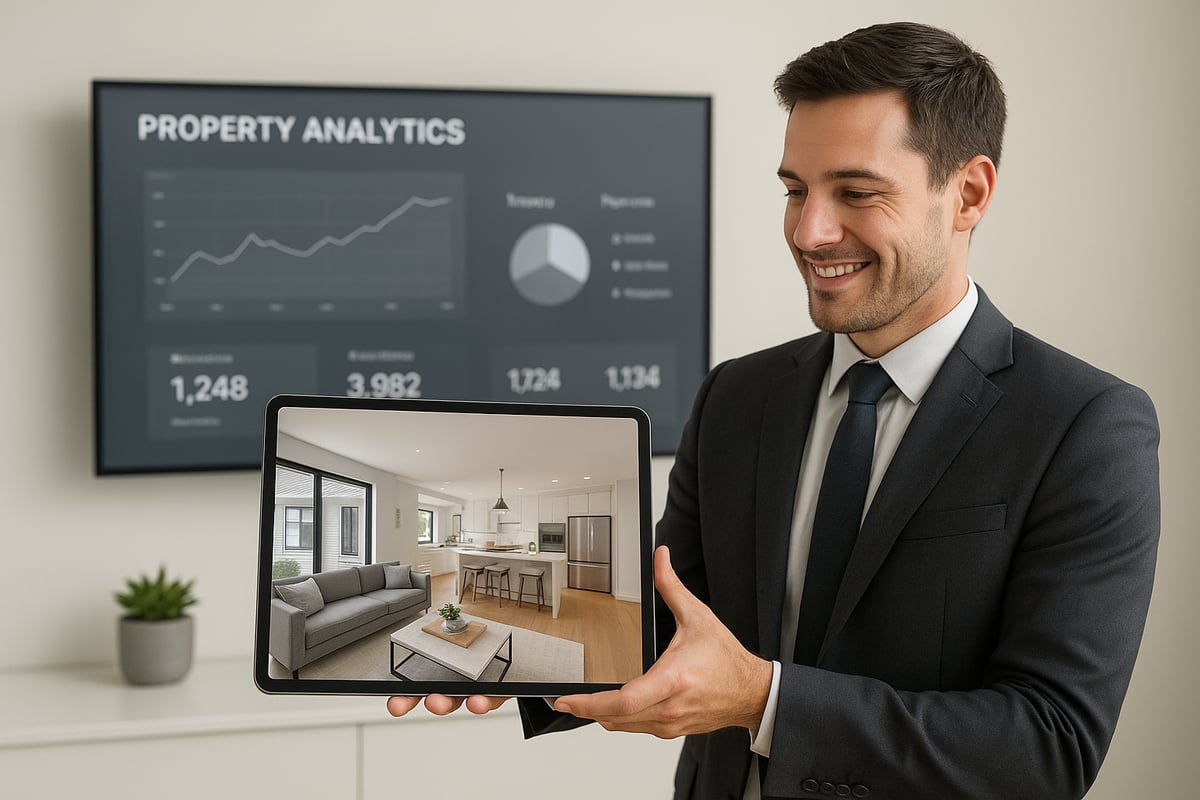
Step 1: Preparing the Property for Sale
Preparation is crucial for someone that sells houses in today’s market. The process starts with an accurate home valuation, now powered by AI tools that analyze recent sales, neighborhood trends, and property features. Using a Complimentary home valuation tool, sellers receive precise pricing guidance within minutes.
Professional photography, 3D tours, and virtual staging make properties stand out online. These visuals attract more buyers and set expectations. Pre-listing inspections and targeted repairs help maximize value and reduce surprises during negotiations.
For example, homes with virtual staging now sell 20 percent faster compared to those without, according to Zillow 2025. Someone that sells houses knows that first impressions are digital, and thorough preparation is non-negotiable.
Step 2: Strategic Pricing and Listing
Pricing a home in 2026 is a data-driven science. Someone that sells houses leverages real-time analytics and dynamic pricing tools, adjusting listings based on buyer demand and market shifts. These platforms consider hyperlocal trends and even seasonal patterns, ensuring listings remain competitive.
Crafting compelling property descriptions is equally important. Listings are distributed across MLS, social media, and niche platforms to reach the right buyers. Dynamic pricing tools automatically update the listing price, helping sellers attract more qualified offers.
For instance, agents using predictive pricing models consistently achieve faster sales and higher closing prices, setting new standards for market performance.
Step 3: Marketing and Promotion
Effective marketing is essential for someone that sells houses in 2026. Omnichannel strategies combine social media ads, email campaigns, and influencer partnerships to maximize exposure. High-quality video walkthroughs, live streams, and virtual open houses make it easy for remote buyers to explore properties.
TikTok and other short-form video platforms now drive a significant share of buyer inquiries. In fact, Redfin 2025 reports that 30 percent of buyer leads come from these sources. Agents also use targeted ads and retargeting to keep listings top-of-mind for potential buyers.
By integrating these marketing channels, sellers reach broader audiences and create memorable impressions.
Step 4: Managing Showings and Buyer Interactions
The showing process has changed dramatically. Someone that sells houses now relies on automated scheduling tools and feedback collection to streamline showings. Buyers can choose between in-person tours, fully virtual experiences, or a hybrid approach.
Virtual showings use interactive 3D tours, while in-person visits are enhanced with digital check-ins and real-time feedback. This flexibility caters to modern buyer preferences and increases engagement.
Notably, 60 percent of showings are now hybrid or virtual, reflecting a shift toward convenience and accessibility for all parties involved.
Step 5: Negotiating Offers and Closing the Deal
Negotiation and closing have become more efficient for someone that sells houses. Digital offer management systems handle multiple bids and track all communications. E-signature platforms simplify paperwork, while AI-assisted negotiation tools analyze market data to recommend optimal counteroffers.
Remote closings and digital escrow services have reduced the average closing time to just 14 days, according to NAR 2025. This speed benefits both sellers and buyers, eliminating traditional bottlenecks.
A streamlined process ensures that deals close quickly, with less stress and greater transparency for everyone involved.
Step 6: Post-Sale Support and Client Care
After closing, someone that sells houses continues to add value through post-sale support. Transition services such as moving coordination, cleaning, and utility setup ease the moving process for clients.
Maintaining communication after the sale is essential. Personalized follow-ups, satisfaction surveys, and exclusive offers encourage referrals and repeat business. Agents offering post-sale concierge services see up to 40 percent more referrals, reflecting the importance of ongoing care.
By focusing on long-term relationships, sellers build trust and ensure lasting success in an ever-evolving market.
Essential Skills and Tools for Success in 2026
Success as someone that sells houses in 2026 depends on mastering a blend of modern skills and leveraging advanced tools. The real estate landscape is more competitive and tech-driven than ever, making adaptability and expertise essential for standing out.
Digital Marketing Mastery
For someone that sells houses, digital marketing is the foundation of success. Social media advertising, compelling content creation, and search engine optimization are now required skills. Agents must know how to craft engaging property stories and reach buyers across multiple platforms.
Short-form videos, interactive posts, and targeted ads help listings stand out. Many agents use analytics to refine campaigns and maximize lead generation. Those with a strong online presence typically generate three times more leads than those relying on traditional marketing.
| Digital Marketing Tools | Purpose |
|---|---|
| Social media schedulers | Plan and automate posts |
| SEO platforms | Optimize listings for search |
| Video editing software | Create walkthroughs and tours |
Data Analysis and Market Intelligence
Today, someone that sells houses must interpret large volumes of data to set accurate prices and identify buyer trends. Predictive analytics helps agents anticipate market shifts and target the right audience with precision.
AI-powered valuation tools are now standard, analyzing hundreds of variables to deliver real-time insights. To understand how these models enhance pricing strategies and give sellers a competitive edge, explore AI-Powered Property Valuation and Predictive Pricing.
Accurate market intelligence enables agents to make informed recommendations, boosting their credibility and client trust. As a result, sellers benefit from faster transactions and better returns.
Communication and Negotiation
Someone that sells houses in 2026 must excel at both digital and interpersonal communication. Video calls, messaging apps, and AI chatbots streamline conversations, ensuring clients receive timely updates.
Advanced negotiation training is vital. With deals often involving multiple stakeholders and remote parties, clear communication and strategic negotiation deliver optimal outcomes. Agents who master these skills consistently close more complex deals with higher client satisfaction.
Technology Stack: Must-Have Tools
A robust technology stack is non-negotiable for someone that sells houses. Leading agents rely on CRM systems to manage contacts and automate follow-ups. Virtual tour software and e-signature platforms simplify the buying and selling process.
Below is a table summarizing the top essential tools:
| Tool Type | Example Use |
|---|---|
| CRM Systems | Track client interactions |
| Virtual Tour Apps | Showcase properties remotely |
| E-signature Tools | Secure digital document signing |
Agents who integrate these solutions increase efficiency and deliver a seamless experience for clients.
Legal and Regulatory Knowledge
The legal landscape for someone that sells houses is evolving rapidly. Staying current on fair housing laws, privacy regulations, and digital contract requirements is mandatory.
Ongoing education ensures compliance and protects both clients and professionals from costly mistakes. Agents must also understand local licensing updates and ethical standards to maintain their credentials.
Client Relationship Management
Strong client relationships are the cornerstone for someone that sells houses. Automated follow-ups, personalized recommendations, and loyalty programs help agents nurture connections long after the sale.
Using CRM tools, agents can track preferences and deliver tailored service. This approach increases repeat business and referrals, driving long-term success in a competitive market.
Adaptability and Continuous Learning
Adaptability sets apart someone that sells houses in 2026. Embracing new technologies and market shifts is critical for ongoing relevance.
Many agents complete monthly online training modules, ensuring their skills stay sharp. Those who prioritize continuous learning are better prepared for future challenges, maintaining their edge in the industry.
Building Trust and Delivering Value to Clients
Trust is the cornerstone of success for someone that sells houses in 2026. In today's digital-first market, sellers expect more than just transactions—they want a seamless experience built on reliability, expertise, and transparency. Here is how leading professionals foster trust and deliver lasting value.

Establishing Credibility in a Digital World
For someone that sells houses, online reputation is more important than ever. Clients research agents extensively before making decisions. Maintaining a strong digital presence is essential.
One effective way to build trust is by showcasing positive feedback from previous clients. Featuring client reviews and testimonials on your website or social channels provides powerful social proof. According to the NAR 2025, 90 percent of sellers check agent reviews before hiring.
Consistent branding, professional profiles, and a portfolio of successful transactions help reinforce credibility. Always keep your information up to date and respond to online inquiries promptly.
Personalization and Client-Centric Service
Delivering value means tailoring your approach to each client. Someone that sells houses in 2026 leverages data to understand client needs, preferences, and communication styles.
For example, providing custom video updates keeps clients informed and reassured. Using personalized checklists and recommendations for staging or repairs also demonstrates commitment to their goals.
Consider offering flexible meeting options, such as video calls or in-person consultations, to suit different comfort levels. This client-centric mindset sets you apart from competitors.
Transparency and Real-Time Communication
Transparency is a non-negotiable expectation for someone that sells houses. Clients want honest advice and timely information at every step of the process.
Modern agents use seller dashboards to share real-time updates, feedback from showings, and market analytics. Open communication builds confidence and helps prevent misunderstandings.
Set clear expectations from the start and always communicate any changes quickly. This proactive approach ensures clients feel informed and empowered.
Educating Clients on the Process and Market
Empowering clients with knowledge is a hallmark of someone that sells houses. Offering resources such as webinars, market reports, and guides helps demystify the selling process.
Walk clients through every stage, from listing preparation to closing. Share insights on market trends and pricing strategies so they can make informed decisions.
Encourage questions and provide straightforward answers. Education not only builds trust but also positions you as a valued advisor.
Handling Difficult Conversations and Objections
Every transaction has its challenges. Someone that sells houses must be prepared to address concerns and resolve issues professionally.
Approach difficult conversations with empathy and facts. Use data to explain pricing decisions or market shifts. Listen actively and acknowledge the client’s perspective.
By managing objections transparently and respectfully, you reinforce your role as a trusted guide. This skill can turn potential conflicts into opportunities for deeper trust.
Building Long-Term Relationships
The journey does not end at closing. Someone that sells houses knows the importance of maintaining connections after the sale.
Send follow-up messages, holiday greetings, or home maintenance tips to stay top of mind. Implement loyalty programs or referral incentives to encourage repeat business.
Long-term relationships lead to referrals and a strong reputation. Consistency and genuine care ensure clients return for future real estate needs.
The Bauer Group: Your Trusted Partner in DFW Real Estate
When choosing someone that sells houses in the Dallas-Fort Worth area, The Bauer Group stands out for its commitment to trust and value. The team offers tech-forward, personalized services and deep local expertise.
Clients benefit from exclusive listings, tailored marketing, and ongoing support. Complimentary home valuations and a proven track record make The Bauer Group a top choice for sellers seeking both speed and profitability.
Future Trends: What’s Next for House Sellers in 2026 and Beyond
The real estate world is evolving quickly, and someone that sells houses must keep pace with new trends that are reshaping the industry. Looking ahead, technology, client expectations, and market dynamics will redefine the role and success of agents. Let’s explore the future landscape and see how these changes will impact your business.
Artificial Intelligence and Automation
Artificial intelligence is now a fundamental part of daily operations for someone that sells houses. AI-driven tools handle everything from lead generation and property valuation to follow-ups and document management. Virtual assistants can answer client questions, schedule showings, and automate marketing campaigns.
AI also brings new levels of trust and transparency to pricing. For example, advanced algorithms analyze vast amounts of data to deliver accurate home valuations. If you want a deeper understanding of this technology’s impact, see The Architecture of Trust: A Framework for AI-Augmented Real Estate Valuation.
Benefits of AI and automation for agents include:
- Faster response times
- Improved lead qualification
- Streamlined paperwork
For someone that sells houses, mastering AI is quickly becoming non-negotiable.
Blockchain and Smart Contracts
Blockchain technology is transforming how transactions are managed. For someone that sells houses, smart contracts enable secure, instant, and transparent property sales. These digital agreements reduce errors and minimize fraud.
Key features of blockchain in real estate:
- Tamper-proof transaction records
- Automated release of funds and documents
- Simplified compliance checks
As more transactions move onto blockchain platforms, agents who understand and use this technology will stand out in the marketplace.
Virtual and Augmented Reality Experiences
Virtual and augmented reality are revolutionizing the way someone that sells houses presents properties. Buyers can tour homes remotely, explore neighborhoods, and even visualize renovations before making a decision. This technology saves time, widens the buyer pool, and creates memorable experiences.
For an in-depth look at these tools, read The Future of Real Estate Is Immersive: XR Trends to Watch.
Practical uses include:
- 3D virtual walkthroughs
- AR staging of furniture and decor
- Interactive neighborhood maps
Embracing immersive tech is essential for someone that sells houses aiming to deliver top-tier service.
Sustainability and Eco-Friendly Homes
The push for greener living is stronger than ever. Someone that sells houses will see increased demand for energy-efficient and eco-friendly homes. Buyers are seeking solar panels, smart thermostats, and sustainable materials.
Why focus on green features?
- Faster sales and higher prices for certified homes
- Attractive to environmentally conscious buyers
- Compliance with emerging local regulations
Agents who can highlight and explain these features will have a clear advantage in a competitive market.
Shifting Buyer Demographics
Millennials and Gen Z are now the dominant home buying groups. Someone that sells houses needs to understand their preferences for digital experiences, flexible communication, and urban amenities.
Trends among younger buyers:
- Preference for smart homes
- Value-driven purchasing decisions
- Desire for seamless online transactions
Adapting your approach to meet these expectations is vital for ongoing success.
The Rise of iBuyers and Alternative Selling Models
iBuyers and direct sale platforms are changing the landscape for someone that sells houses. These models provide instant offers and close deals quickly, appealing to sellers who want speed and convenience.
How can agents compete?
- Offer expert guidance on maximizing sale price
- Provide personalized marketing
- Deliver value beyond quick cash offers
Someone that sells houses who adapts to these models will maintain relevance in a shifting marketplace.
Continuous Professional Development
To stay ahead, someone that sells houses must commit to continuous learning. The industry now requires ongoing education in technology and ethics. Monthly training modules, tech certifications, and market updates are the new norm.
Benefits of ongoing education:
- Keeps skills sharp and relevant
- Builds trust with clients
- Opens doors to new opportunities
Agents who embrace lifelong learning will remain leaders in the field.