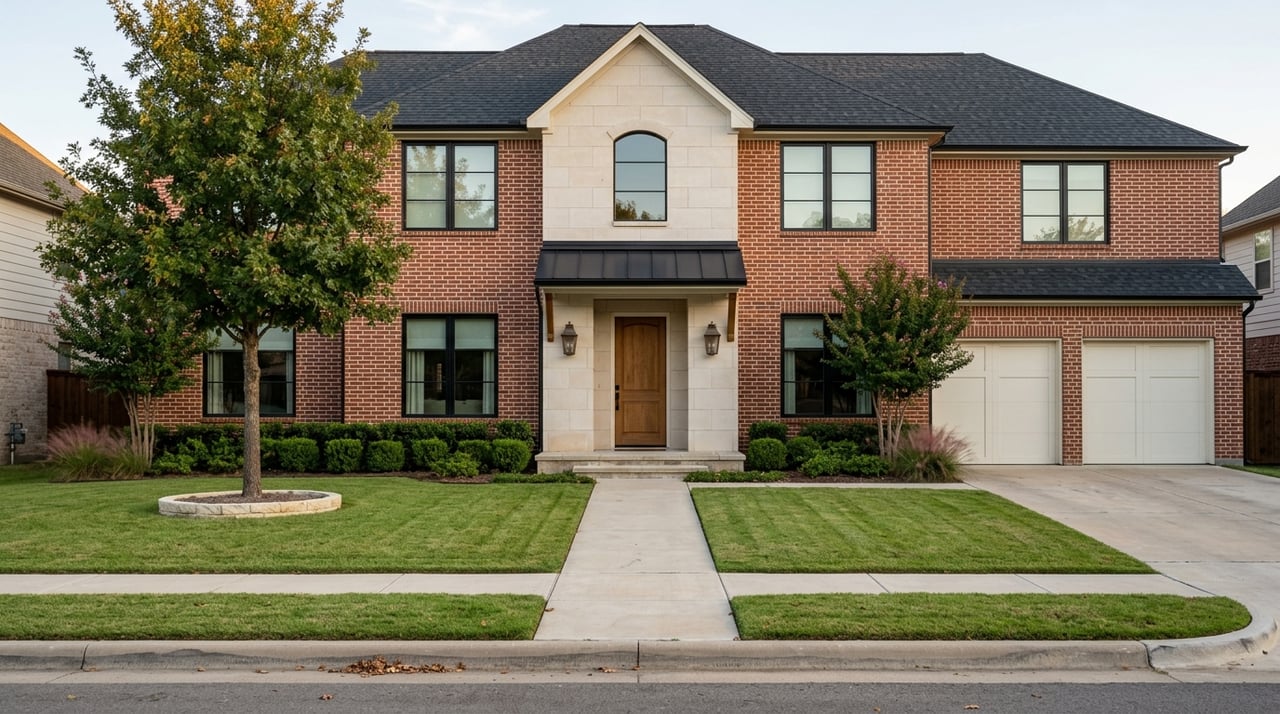
Thinking about living in Allen, TX? If you want a suburb with established neighborhoods, strong homeownership, easy highway access, and plenty of parks and everyday amenities, Allen is worth a close look. Whether you are relocating within DFW or narrowing down where to buy your next home, this guide will help you understand Allen’s neighborhoods, housing options, and what daily life really feels like. Let’s dive in.
Why Allen Stands Out
Allen is a fast-growing suburb in Collin County with an estimated population of 113,447 as of July 2025. The city covers 26.4 square miles and has grown 8.4% since 2020, which points to steady demand and continued interest from buyers.
The numbers also paint a clear picture of the local lifestyle. Allen has a median household income of $130,901, an owner-occupied housing rate of 69.4%, and a median owner-occupied home value of $464,100. Taken together, those figures suggest a market that leans strongly toward homeownership and long-term residential stability.
Allen also reflects the diversity of the broader DFW area. About 23.6% of residents are foreign-born, and 31.9% speak a language other than English at home. The city also skews younger, with 25.4% of residents under age 18, which helps explain why many buyers see Allen as a practical suburban choice for everyday living.
Allen Neighborhoods Have Distinct Identities
One of the first things you may notice about Allen is that it does not feel like one single, uniform suburb. The city’s residential pattern is shaped by named neighborhoods, HOA communities, and subdivision boundaries, creating a more defined neighborhood-by-neighborhood feel.
City planning and mapping materials reference established community areas such as Cottonwood Bend, Suncreek, Watters Crossing, and Twin Creeks. That matters if you are home shopping, because your experience can vary depending on the subdivision layout, amenities, lot sizes, HOA structure, and proximity to parks, shopping, or major roads.
For many buyers, this setup makes Allen easier to navigate. Instead of searching the city as one broad market, you can compare specific neighborhood pockets based on the kind of daily routine and housing style you want.
Common Neighborhood Patterns
In practical terms, Allen tends to offer:
- Established HOA neighborhoods
- Subdivision-style streets with detached single-family homes
- Residential areas near parks and civic amenities
- Higher-density living options closer to mixed-use areas
This variety gives you room to match your home search to your priorities. You may prefer a more traditional neighborhood setting, or you may want to be closer to shopping and dining in a mixed-use corridor.
Homes in Allen: What You Can Expect
Allen’s housing mix is still centered on owner-occupied homes. With a 69.4% owner-occupied housing rate and a median owner-occupied home value of $464,100, the market generally appeals to buyers looking for a primary residence rather than a renter-heavy environment.
That does not mean every option is a detached house. In and around the Watters Creek corridor, you will also find apartment and mixed-use living options, including communities like Axis at Watters Creek and Inkwell Watters Creek. These options can appeal to buyers or renters who want a more connected, lower-maintenance lifestyle near shopping and dining.
Still, the bigger story in Allen is suburban ownership. If you are looking for an area where single-family living remains the dominant pattern, Allen checks that box.
Best Fit for Different Buyers
Allen can be a strong fit if you are looking for:
- A single-family home in an established neighborhood
- A suburban setting with HOA-managed communities
- A home base with access to DFW job centers by car
- A market with a strong ownership profile
- Mixed-use living near Watters Creek
If your priorities include walkable urban density or rail-based commuting, Allen may feel less aligned. But if you want a suburban rhythm with practical access to the rest of the Metroplex, it makes more sense.
Commuting From Allen
Allen is best understood as a driving suburb. According to city planning materials, Allen is not served by typical scheduled transit such as DART or DCTA within city limits, although the city does provide specialized transit options for eligible users.
For most residents, daily movement revolves around the road network. US-75 plays a central role in Allen’s commercial and downtown structure, and local planning materials repeatedly highlight its importance to how the city functions.
That has a direct effect on your home search. If you work in nearby employment centers across DFW and want straightforward highway access, Allen can be a practical choice. Census data show a mean travel time to work of 28.0 minutes, which helps frame the city as a commuter-oriented suburb rather than a transit-first one.
What That Means Day to Day
If you live in Allen, your routine will likely include:
- Driving for most commutes and errands
- Using US-75 as a key north-south route
- Choosing neighborhoods partly based on road access
- Treating trails and sidewalks as lifestyle amenities rather than primary commuting infrastructure
The city is also working to improve bike and pedestrian connections to the trail system. That adds value for recreation and local connectivity, even if driving remains the main transportation mode.
Daily Life in Allen
Daily life in Allen is shaped by a strong mix of parks, recreation, civic facilities, shopping, and dining. For many buyers, that is one of the city’s biggest strengths. You are not just choosing a house here. You are choosing a suburb with a built-in framework for everyday activities.
The city maintains a trail network and park land, and its park assets include features like bike racks, bridges, grills, pavilions, picnic tables, playgrounds, spraygrounds, and shade structures. In its 2023 ADA transition plan, Allen evaluated 52 parks and recreation sites, showing how extensive that system is.
Notable sites referenced in city materials include Celebration Park, Bethany Lakes Park, Allen Station Park, Allen Heritage Village, Suncreek Park, Don Rodenbaugh Natatorium, the Senior Recreation Center, and the Credit Union of Texas Event Center. That range gives residents access to both outdoor recreation and indoor community facilities.
Recreation and Civic Amenities
Joe Farmer Recreation Center adds another layer to the city’s day-to-day appeal. It includes an indoor track, fitness room, basketball goals, racquetball and handball courts, a game room, and regular programs and camps.
Downtown planning materials also identify the Senior Recreation Center, Public Library, City Hall/Plaza, and Allen Heritage Village as important civic anchors. These places help create a sense of routine and connection beyond the residential neighborhoods themselves.
For buyers, this matters because daily life is often defined by convenience. Having trails, parks, recreation centers, and civic facilities woven into the city can make Allen feel more functional and enjoyable once you move in.
Shopping and Dining in Allen
Allen also offers major shopping and entertainment anchors that shape the local lifestyle. Allen Premium Outlets is a major retail destination, and Watters Creek brings a different kind of experience with a 52-acre shopping, dining, and events setting built around an outdoor village layout.
Those two hubs give Allen a useful balance. You have access to destination-style retail as well as a mixed-use area that feels more integrated into everyday life. For many residents, Watters Creek is the clearest example of a place where errands, dining, and social plans overlap.
If you are deciding where to live, being near these areas can change how your week feels. Some buyers want quick access to shopping and restaurants, while others prefer a quieter neighborhood with those amenities just a short drive away.
Schools and Community Context
Allen ISD serves the city, and the district highlights offerings such as the STEAM Center and advanced academics. For buyers comparing DFW suburbs, the presence of a well-established local school district is often part of the overall appeal.
It is also one reason Allen is often viewed as more than a commuter suburb. The city has the infrastructure of daily living, from recreation to civic amenities to public schools, which can support a longer-term homeownership mindset.
If you are early in your search, this broader context matters. A city can have attractive homes, but the surrounding systems often shape how comfortable and sustainable daily life feels after closing.
Is Allen the Right Fit for You?
Allen may be a strong match if you want a conventional suburban lifestyle with a clear neighborhood structure, strong parks and recreation access, and practical highway connectivity. It especially stands out for buyers who want established HOA neighborhoods, single-family housing patterns, and easy access to amenities.
It may be less ideal if your top priority is rail transit or a highly urban, car-light lifestyle. Allen’s strengths are different. They center on ownership, routine, neighborhood identity, and everyday convenience.
If that sounds like the kind of place you want to call home, Allen deserves a spot on your shortlist. And if you want help comparing Allen to nearby DFW cities, neighborhood-by-neighborhood guidance can make the search much clearer.
When you are ready to explore homes, compare neighborhoods, or plan your move in the Metroplex, Bauer Group is here to help you search with confidence.
FAQs
What is living in Allen, TX like for homebuyers?
- Allen offers a suburban lifestyle centered on established neighborhoods, strong homeownership, parks, shopping, civic amenities, and car-based access to DFW job centers.
What types of homes are common in Allen, TX?
- Allen is known for detached single-family homes in HOA and subdivision-style neighborhoods, with some apartment and mixed-use living options near Watters Creek.
How do most residents commute in Allen, TX?
- Most residents commute by car, with US-75 serving as a key route, and the city is not served by typical scheduled DART or DCTA transit within city limits.
What are some well-known neighborhoods in Allen, TX?
- City materials reference neighborhoods and community areas such as Cottonwood Bend, Suncreek, Watters Crossing, and Twin Creeks.
What amenities shape daily life in Allen, TX?
- Daily life in Allen is supported by a large parks and trails system, recreation centers, the public library, civic spaces, Allen Premium Outlets, and Watters Creek.
Is Allen, TX more renter-oriented or owner-oriented?
- Allen is more owner-oriented, with an owner-occupied housing rate of 69.4%, which points to a market that leans strongly toward homeownership.