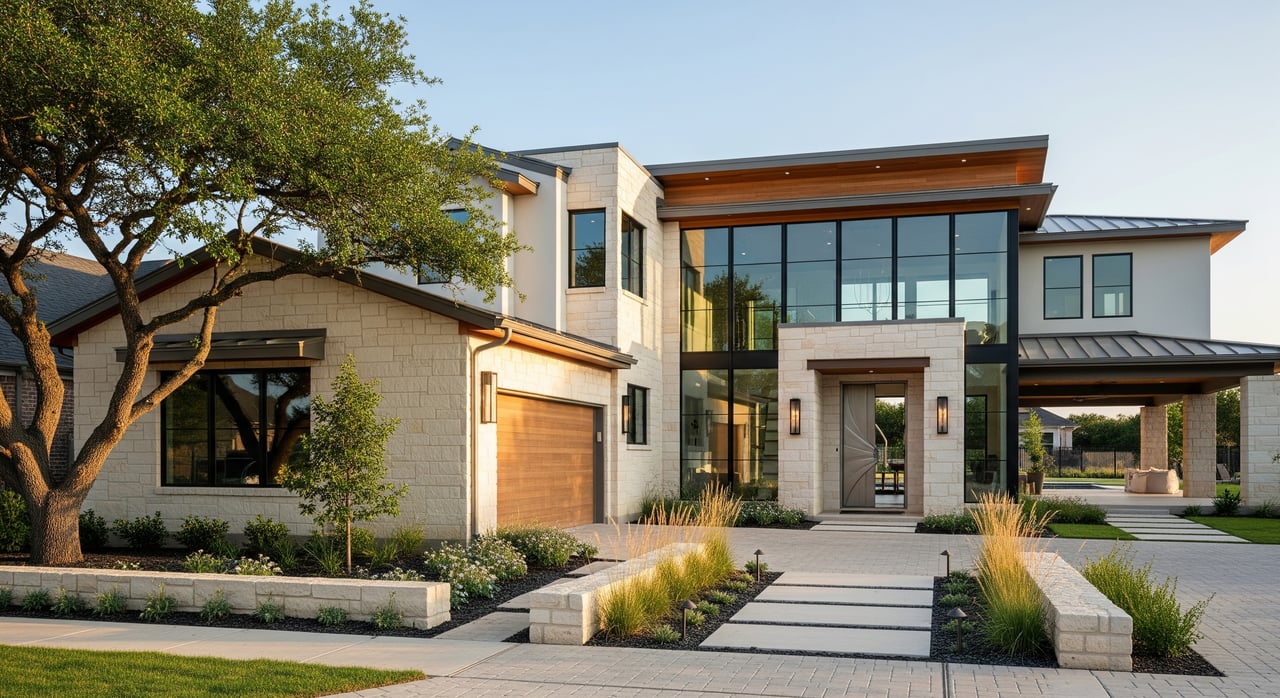
Thinking about a new build in Frisco but not sure where to start? You’re not alone. Between model homes, builder contracts, design center choices, and timelines, it’s easy to feel overwhelmed. This guide breaks the process into clear steps, highlights key decisions, and shows you how to avoid costly mistakes while you compare communities in Frisco and the surrounding Collin County area. Let’s dive in.
Why new construction in Frisco
Frisco sits at the heart of one of the fastest‑growing corridors in North Texas. Corporate, sports, and entertainment anchors continue to attract jobs and investment, and access to Dallas North Tollway and SH 121 makes regional commuting practical. These drivers support steady demand for new homes across master‑planned communities.
The area offers a mix of production, semi‑custom, and custom builders. You’ll find quick‑move‑in inventory alongside lot‑and‑plan opportunities with more selections. Because prices and incentives change often, focus on current data and builder inventory through MLS feeds and local reports rather than last month’s ads.
If you’re weighing neighborhoods, keep the basics in view: amenities, commute routes, HOA costs, property taxes, utility districts, and school assignments. For planning and permitting context, review the City of Frisco’s resources through the Planning and Development Services page.
Step‑by‑step buyer roadmap
Pre‑contract: prepare and compare
- Get pre‑approved with a lender. Decide between a standard mortgage for a quick‑move‑in or a construction‑to‑permanent loan if you’re considering a custom path.
- Compare builders and communities. Look at completed projects, warranty performance, floor plans, lot types, and HOA packages. Visit several model homes.
- Work with a buyer’s agent experienced in new construction. Your agent can set up MLS and IDX alerts for new inventory and help you review builder contracts and incentives.
Contract and design: lock it in
You’ll typically choose one of two paths:
- Inventory or quick‑move‑in home. A set price, fewer customizations, and a faster closing.
- Lot plus plan. You select structural options and finishes through the builder’s design center. Lead time varies.
Watch these details closely:
- Option deadlines. Builders set strict dates for structural and design choices. Missing them can push the schedule or lock you into defaults.
- Add‑ons and allowances. The base price includes a certain level of finishes. Upgrades are priced as options. Confirm what’s included for landscaping, fencing, and utilities.
- Earnest money and option deposits. Ask how deposits are handled and whether any fees are refundable.
Construction phase: know the milestones
Most builds follow predictable stages: site prep and foundation, framing, rough‑ins for mechanical, electrical, and plumbing, insulation and drywall, interior finishes, and then final punch list with a Certificate of Occupancy at the end. Typical buyer touchpoints include a pre‑drywall walkthrough and a final walkthrough before closing. Inventory homes can be ready in weeks to a few months. Lot‑and‑plan builds often range from 4 to 10 months depending on options, permitting, and site conditions.
Closing and move‑in: finish strong
The home cannot close until the Certificate of Occupancy is issued. Expect utility setup, title and escrow steps, and final payments for any change orders. During the final walkthrough, document punch‑list items for the builder to correct. Many builders will schedule follow‑up visits based on their warranty program.
Contracts, inspections, warranties: what to watch
Builder contracts and key clauses
Most builders use their own sales contracts with addenda. Review the following with your agent and consider a real estate attorney if you want additional guidance:
- Completion and closing timelines, including the builder’s right to extend for weather or material delays.
- Arbitration or dispute resolution requirements.
- Option and upgrade deadlines plus refundability.
- Lot premiums and whether they’re refundable if a closing does not occur.
- Incentive conditions, such as using a preferred lender or title company.
- Liquidated damages or limited buyer remedies if delivery is delayed.
- Right to inspect and timing windows for third‑party inspectors.
Independent inspections you control
Builders and the city will perform inspections, but you should hire an independent, licensed inspector who understands new construction. Common checkpoints include foundation, framing or pre‑drywall, mechanical systems, and a final inspection before closing. You can find certified pros through InterNACHI’s inspector directory or engage inspectors with similar credentials. Coordinate access and timing with the builder.
Warranties and post‑closing support
Many builders use a 1‑2‑10 style structure, but terms vary. Ask for the written warranty and process for claims. Some builders partner with third‑party providers such as 2‑10 Home Buyers Warranty. Keep a log of issues, photos, and communications, and follow the builder’s submission procedures and timelines.
Taxes, MUDs, and HOA fees
New developments may use Municipal Utility Districts that add a line item to your property tax bill. Always verify whether a specific lot sits inside a MUD. Review HOA dues and any initiation or transfer fees. For property tax and exemption details, visit the Collin County Appraisal District. If you’re considering flood risk or drainage, consult the FEMA Flood Map Service Center and ask about lot elevation and grading.
Master‑planned community comparison checklist
Use this checklist as you visit models and drive communities:
- Amenities. Parks, trails, pools, fitness, event spaces, lakes, or golf can affect dues and future resale.
- Lot variety. Larger lots, garden or patio homes, and custom sections may be in different phases or sub‑HOAs.
- Governance. One master HOA or multiple sub‑HOAs. Understand architectural review policies for exterior changes.
- Community stage. Early‑phase neighborhoods have construction activity. Established areas typically have finished amenities.
- Commute and access. Compare drives to Dallas North Tollway, SH 121, and US‑380 across peak times.
- School assignments. Frisco ISD zoning can change. Verify the specific lot’s schools using Frisco ISD attendance zones.
Negotiation and incentives: how to get value
Builders adjust pricing and incentives based on demand, inventory, and timing. Here are levers to consider:
- Inventory homes. These often present the best opportunity to negotiate price, lot premiums, or closing cost credits, especially near month or quarter end.
- Lot‑and‑plan builds. You may negotiate lot premiums, included options, or certain fees.
- Preferred lender offers. Incentives may require you to use a builder’s lender or title partner. Compare the true cost by shopping rates and fees with your lender.
- Market cycle. When inventory is higher, incentives tend to be more generous.
To stay ahead of changes, ask your agent to set MLS and IDX alerts for new spec homes, price drops, and status updates. The North Texas MLS powers many broker search tools. For context on MLS operations in our region, see NTREIS.
Model home tour checklist
Bring a simple checklist on each visit. Compare notes later.
- Construction quality. Look at trim lines, cabinet alignment, drywall smoothness, and caulking.
- Mechanical systems. Ask about HVAC brand and tonnage, water heater type, and electrical panel capacity.
- Energy features. Confirm insulation type and R‑values, low‑E windows, and any HERS or efficiency program.
- Lot orientation. Where does the afternoon sun land? How is the finish grade for drainage?
- Plan comparisons. If possible, tour the same floor plan with base finishes and with upgrades to see what changes the feel and cost.
Typical timelines at a glance
- Inventory or spec home: search, contract, and 30 to 60 day closing, depending on status and lender timelines.
- Lot‑and‑plan build: lot selection, contract and design deadlines, site work and foundation, 4 to 10 months to Certificate of Occupancy, then closing.
- Design center selections: expect deadlines within days or weeks of contract. Missing them can push your build.
Quick buyer checklists
Before visiting models:
- Get pre‑approved and confirm your budget range.
- List must‑haves: bedroom count, office or flex space, storage, yard size, and lot orientation.
- Map current commute and weekend routes to shopping, parks, and activities.
At the builder sales office:
- Request a detailed price sheet and allowances.
- Ask for the contract and all addenda to review.
- Get a community plan map and HOA documents.
- Ask for the warranty summary and sample claim process.
After you sign:
- Collect receipts for deposits. Organize all change orders and communications in one folder.
- Set inspection dates at foundation, pre‑drywall, and final stages. Confirm access with the superintendent.
- Track build progress with photos and notes after each site meeting.
Pre‑closing and move‑in:
- Schedule your independent final inspection and plan time for corrections.
- Build a punch list at the final walkthrough. Get repair timelines in writing.
- File homestead and exemptions when eligible through the county.
How a local team makes this easier
A disciplined process and local insight save time and money with new construction. Our team tracks builder inventory through MLS and IDX alerts, compares incentives across communities, and flags the clauses and deadlines that matter. We coordinate inspections, help you verify school zoning and taxes, and keep your build on schedule from contract to close. If you need a wider market view or want to compare financing paths, we can connect you with trusted lending partners and walk you through options.
Ready to tour models, line up inspections, and negotiate with confidence? Let’s build your plan together with the Bauer Group.
FAQs
What should I know before signing a Frisco builder contract?
- Review timelines, extension rights, arbitration, incentive conditions, and inspection access with your agent. Consider legal review if you want added guidance.
Do I still need inspections on a new build in Frisco?
- Yes. Hire an independent, licensed inspector for foundation, pre‑drywall, systems, and a final inspection. Coordinate timing with the builder.
How do MUDs and HOAs affect my monthly costs in Collin County?
- MUD taxes can raise your annual bill and HOA dues vary by amenities. Verify both for the specific lot through builder disclosures and the county.
How can I verify which Frisco ISD schools a lot feeds to?
- Use the district’s attendance zone tools and confirm with Frisco ISD. Boundaries can change, so verify before you sign.
Are builder incentives worth it if I must use the preferred lender?
- Sometimes. Compare the incentive value against the loan’s rate and fees. Choose the path with the best total cost for you.
What timeline should I expect for a new build versus a spec home?
- Spec homes can close in weeks to a few months. Lot‑and‑plan builds often run 4 to 10 months depending on options, permitting, and site conditions.
Where can I check flood risk or permitting information for a Frisco new build?
- Review FEMA flood maps and the City of Frisco’s Planning and Development resources, and ask your builder about lot elevation and drainage.
Helpful local resources
- City of Frisco Planning and Development: Planning and Development Services
- Frisco ISD attendance zones: Attendance Zones
- Collin County Appraisal District: Collin CAD
- FEMA flood maps: Flood Map Service Center
- Find an inspector: InterNACHI Certified Inspectors
- Home warranties overview: 2-10 Home Buyers Warranty
- Regional builder association: Dallas Builders Association
- North Texas MLS context: NTREIS