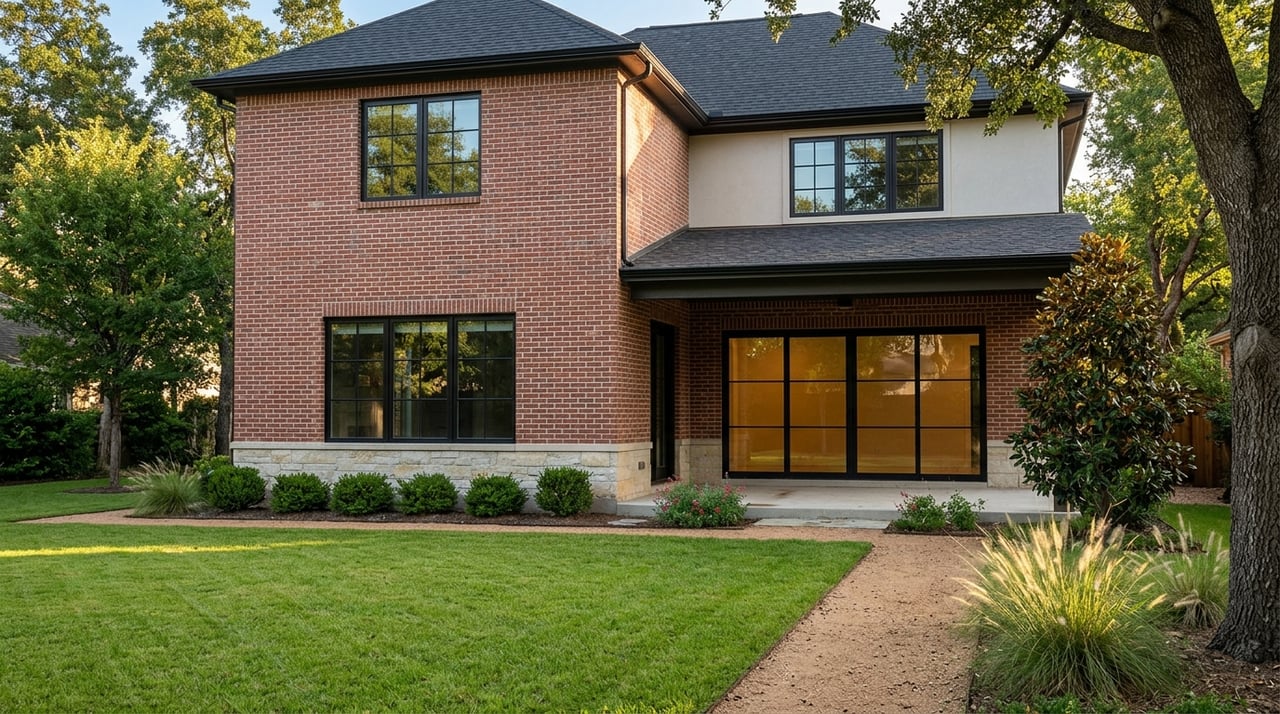
Thinking about Celina because you want more room, a newer home, or even a piece of land in a fast-growing North Texas market? You are not alone. Celina stands out because it is growing quickly, still has a meaningful supply of homes and acreage, and offers a different experience than a more built-out suburb. In this guide, you will get a clear look at Celina’s real estate market, what the numbers say, and how to think about homes and land here. Let’s dive in.
Why Celina stands out
Celina is not a typical mature suburb. According to the U.S. Census Bureau estimate, the city reached 64,427 residents as of July 1, 2025, which is a 276.8% increase from the 2020 estimate base. That kind of growth changes how you should read the market.
The city’s long-range planning materials add more context. Celina sits between the Dallas North Tollway and Preston Road and includes about 78 square miles of developable land, with a long-range build-out population near 378,000 to 380,000. In simple terms, Celina is still in expansion mode, and that affects homes, land, utilities, roads, and development patterns.
The Celina 2040 Comprehensive Plan guides land use, transportation, housing, economic development, and public services. The city also states that annexation planning can prioritize larger parcels and properties near growth corridors when needed. If you are looking at land or acreage, location and utility access matter in a big way.
Celina home market snapshot
The April 2026 NTREIS MLS report gives a useful resale snapshot for Celina single-family homes. It shows 23 sales, an average sale price of $596,171, a median sale price of $489,000, 107 days on market, 118 active listings, 30 pending sales, and 6.9 months of inventory. Homes sold at 91.4% of list price in that report.
That data points to a market with real choices for buyers. Nearly seven months of inventory suggests supply is more balanced than a tight, low-inventory environment. It also suggests sellers may need sharper pricing and stronger presentation to stand out.
The days on market figure is also worth watching. At 107 days, resale homes in Celina may take longer to move than buyers expect in a high-growth area. Growth does not always mean instant resale speed, especially when buyers have more options.
Why MLS data tells only part of the story
In Celina, it is important not to rely on resale data alone. The NTREIS report notes that sales by outside sources, including home builders and non-NTREIS members, are not included. Since builder activity is a major part of Celina’s market, MLS-only numbers can understate the true volume of new construction.
That matters if you are trying to understand demand, competition, or pricing. A buyer comparing only MLS listings may miss part of the new-home pipeline. A seller may also face competition from builder inventory that does not fully show up in the resale snapshot.
New construction is still a major driver
Celina’s permit and infrastructure planning show that new construction remains central to the market. The city’s FY2026 Capital Improvement Project says Celina expects about 2,400 single-family permits in FY2026, compared with 2,643 the previous year. That is still a large pipeline of incoming housing.
The city also ties growth to infrastructure. In its 2025 Popular Annual Financial Report, Celina explains that developers and homebuilders contribute roads, streetlights, trails, and other infrastructure, while growth-related fees and utility expansion are linked to single-family development.
Celina’s planned-developments approach adds another layer. The city uses customized zoning standards for specific projects, which is common in large master-planned or suburban growth areas. For you as a buyer or landowner, that means each area can have different development patterns, lot standards, and long-term surroundings.
Land is one of Celina’s biggest advantages
If you are comparing Celina with more built-out suburban markets, land may be the clearest difference. The city’s comprehensive plan baseline shows rural-agricultural land at 40,923.86 acres, or 86.64% of the city’s land area. By comparison, single-family residential had 5,706 parcels and 2,672.04 acres, or 5.66% of the land area.
That tells you something important. Celina’s land base is still far broader than its current built residential footprint. Even as the city grows, land remains a defining part of the local market.
Current public land inventory reflects that variety. Zillow’s Celina land search shows 101 listings, ranging from a 7,579-square-foot lot at $285,000 to a 0.45-acre lot at $349,900, several 1.01 to 1.08-acre lots around $375,000 to $435,000, and larger tracts such as 14.46 acres for $1.34 million, 49.7 acres for $4.2 million, and 62.9 acres for $6 million.
Some of those land listings have been active for more than 100 days. That suggests land can move more slowly than finished homes, which is not unusual. Buyers often need more time to evaluate access, utilities, future development, and intended use.
What land buyers should think about
If you are shopping for land in Celina, the headline is not just acreage. You also need to think about where that acreage sits in relation to growth corridors, annexation priorities, and utility access. The city’s annexation guidance says larger parcels and properties near growth corridors can be prioritized when annexation planning is needed.
That does not mean every parcel will develop on the same timeline. It does mean that road access, nearby utilities, and position within the city’s long-range framework can shape future value and use. For acreage buyers, due diligence is essential.
A practical land checklist may include:
- Parcel size and shape
- Current zoning or land-use status
- Utility availability and expansion plans
- Access to major roads and growth corridors
- Surrounding planned developments
- Survey, topography, and buildability
- How the property fits your long-term goals
Celina vs. Prosper
Many buyers look at Celina and Prosper side by side. The April 2026 NTREIS MLS report shows clear differences between the two. Prosper had 57 sales, an average sale price of $1,016,899, a median sale price of $864,000, 57 days on market, 424 active listings, 80 pending sales, 7.0 months of inventory, and homes selling at 95.2% of list price.
Compared with Prosper, Celina was lower-priced and slower-moving in that snapshot. Celina’s average sale price was $596,171, its median was $489,000, and its days on market were 107. Both cities had about seven months of inventory, but Prosper moved faster and sold closer to asking price.
Public land listings also support a practical distinction. Prosper’s land inventory shows fewer listings and appears to lean more toward sub-acre and roughly 1- to 2-acre sites at higher price points. Celina offers a wider acreage spectrum, which may appeal to buyers looking for custom-home opportunities, larger lots, or long-term land strategies.
What this means for buyers
If you are buying in Celina, you may find more flexibility than in a tighter market. More inventory and longer days on market can create room for negotiation, especially on resale homes or land that has been sitting longer. That can be helpful if you want time to compare options instead of rushing into a decision.
At the same time, you should not assume every opportunity is simple. Celina includes resale homes, builder inventory, planned developments, and raw or semi-improved land. Each category can require a different strategy.
For homebuyers, it helps to compare:
- Resale versus new construction
- Finished neighborhoods versus emerging areas
- Standard lots versus larger homesites
- Price point versus future surroundings
- Builder timelines versus move-in-ready options
For land buyers, patience and local guidance matter. A property that looks straightforward online may require deeper review of utilities, future road plans, or nearby development activity.
What this means for sellers
If you are selling in Celina, pricing and positioning matter more than growth headlines. The market’s 6.9 months of inventory, 107 days on market, and 91.4% sold-to-list ratio suggest buyers have options. Sellers who overprice may sit longer, especially when they compete with newer homes or builder inventory.
Preparation can make a real difference. Clean presentation, strong listing strategy, and realistic pricing are especially important in a market where buyers can compare many choices. If you are selling land, expect even more emphasis on property details, access, and future-use potential.
Why local strategy matters in Celina
Celina is a market where broad headlines only go so far. You have rapid population growth, active homebuilding, meaningful infrastructure expansion, and a land market that still plays a major role. That mix creates opportunity, but it also creates complexity.
Whether you are buying a home, selling one, or evaluating acreage, the smartest approach is a local one. You want to look beyond a single metric and understand how resale data, builder activity, planned development, and land supply all fit together.
That is where a process-driven team can help. In a market like Celina, clear analysis and disciplined negotiation can save you time and help you make a more confident move.
If you are exploring homes, land, or your next move in Celina, the Bauer Group can help you evaluate the market with a practical, local strategy.
FAQs
What is happening in the Celina, TX real estate market right now?
- Celina is in a rapid-growth phase, with an April 2026 resale snapshot showing 23 single-family sales, a median sale price of $489,000, 118 active listings, 107 days on market, and 6.9 months of inventory.
How does the Celina, TX housing market compare with Prosper, TX?
- In the April 2026 MLS snapshot, Celina was lower-priced and slower-moving than Prosper, while Prosper had a much higher median price, faster sales pace, and homes selling closer to list price.
Why are land buyers interested in Celina, TX?
- Celina still has a broad land base, with the city’s comprehensive plan showing rural-agricultural land as 86.64% of total land area and public listings ranging from small lots to tracts of more than 60 acres.
Does MLS data show the full Celina, TX new construction market?
- No. The NTREIS report states that builder sales and other outside-source sales may not be included, so MLS data can undercount total new-construction activity in Celina.
What should you look at before buying land in Celina, TX?
- Focus on parcel size, utility access, road access, surrounding development, land-use status, and how the property fits the city’s long-range planning and your own goals.