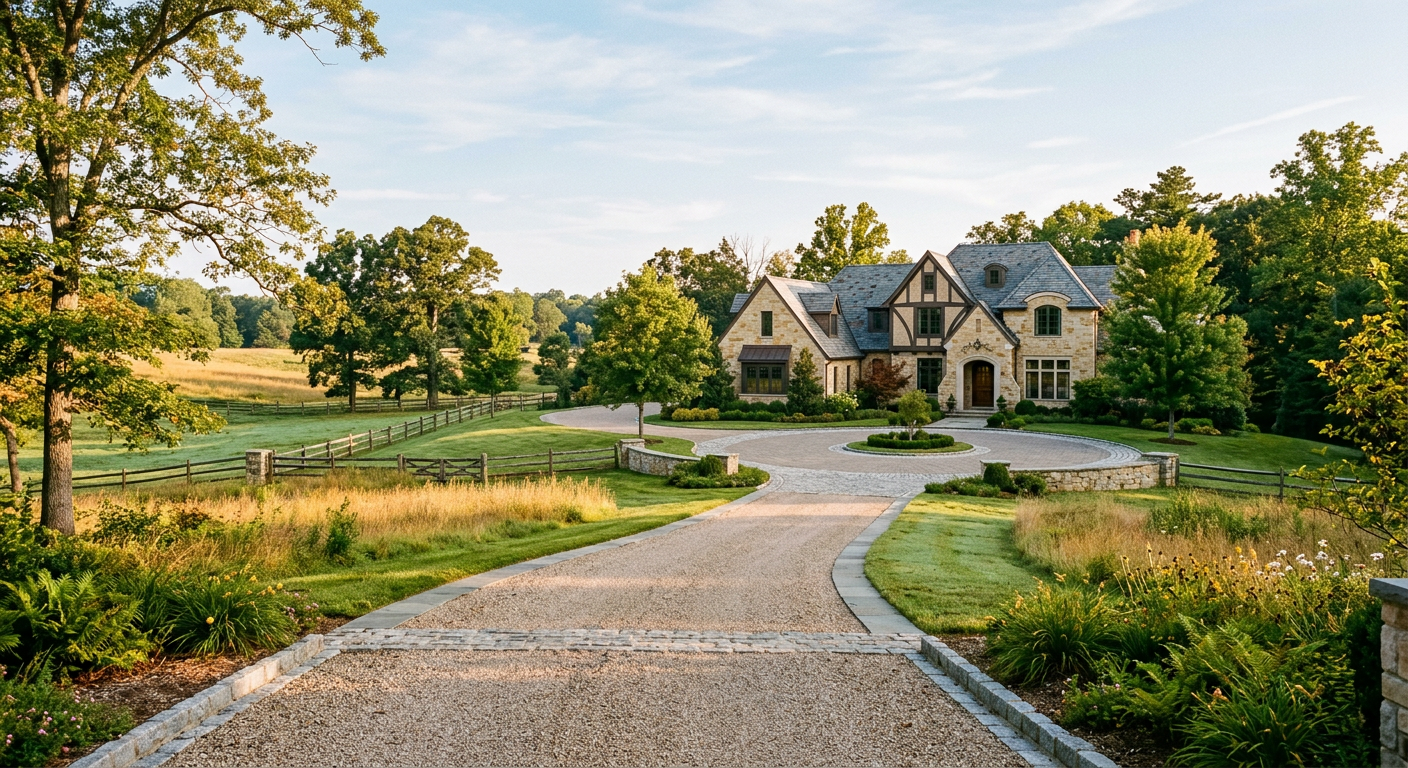
Dreaming of more land without losing touch with Fort Worth life? If you are weighing Argyle, Aledo, or Weatherford, you will find very different options in lot size, lifestyle, and utilities. It can be hard to compare apples to apples. In this guide, you will learn how these markets differ, what commutes look like, and the exact due diligence steps to take before you buy. Let’s dive in.
Quick market snapshot
Argyle: Estate lots close in
Argyle offers a small‑town setting with many 1 to 5 acre homesites and select larger estates farther from town. Buyers often use these tracts for estate builds, small horse setups, or hobby properties. The area retains a low‑density feel that appeals if you want space while staying closer to northern Fort Worth suburbs.
Aledo: Equestrian and hobby ranch focus
Aledo, in Parker County, is known for equestrian and estate properties. You will commonly see 3 to 20 plus acre parcels, along with barndominiums and improved tracts with barns and outbuildings. Active listings regularly highlight horse facilities and water availability, which fits buyers prioritizing a hobby‑ranch lifestyle. You can browse examples of this inventory on Parker County listing aggregators that feature equestrian and estate parcels in the Aledo area. For a current snapshot, review Parker County acreage offerings on a land marketplace that showcases horse and estate properties in this submarket showcased by recent listings.
Weatherford: Broadest land mix and more utilities
Weatherford and greater Parker County offer the widest range of parcel sizes. You will find small acreage communities with roughly 1.5 to 8 acre lots, a steady supply of 5 to 50 plus acre hobby ranches, and large working ranches. Parts of Weatherford also benefit from municipal planning and utility coverage, so water and sewer options may be more available in specific areas. To understand the city’s planning and utility footprint, start with the City of Weatherford resources.
Commute tradeoffs to Fort Worth
If you commute to Fort Worth, access often drives your decision as much as land size.
- Argyle to Downtown Fort Worth typically runs about 25 to 35 minutes depending on time of day and your exact start point. You can confirm a representative route and distance using an Argyle to Fort Worth estimate.
- Aledo sits along the I‑20 corridor and often delivers around 20 to 35 minutes into central or southwest Fort Worth, with straightforward freeway access.
- Weatherford to Downtown Fort Worth is usually about 30 to 40 minutes using I‑20 or US‑180. For a sample route and distance, check a Weatherford to Fort Worth estimate.
Practical tip: test your door‑to‑door drive during the weekday windows you would normally travel. Commute times can vary more than you expect based on the exact address and job center.
What to check before you buy acreage
Rural and semi‑rural properties require more technical due diligence than typical suburban lots. Use this checklist, and get written findings from licensed professionals.
- Survey and boundary
- Order a current boundary survey. If your lender or title company requires it, commission an ALTA/NSPS Land Title Survey. ALTA/NSPS standards outline how boundaries, easements, improvements, and encroachments are documented. Review the industry benchmark at the American Land Title Association.
- Title, easements, covenants, and mineral rights
- Ask your title company for a title commitment and read the exceptions. Look for recorded easements, rights‑of‑way, deed restrictions, HOA covenants, and mineral reservations or leases. For oil and gas context and well records, search the Railroad Commission of Texas database.
- Water and utilities
- Confirm the potable water source: city utility, water supply corporation, or private well. If you plan on a municipal or co‑op connection, ask for a letter of availability and a cost estimate for any needed extension. In parts of Argyle, a local water supply corporation serves many addresses, which you can explore through the Argyle Water Supply Corporation. For Weatherford, verify service with the city or relevant utility district.
- Wastewater and septic (OSSF)
- Most acreage tracts use an on‑site sewage facility. Confirm existing permits, locate the system, and budget for a new design if needed. Texas permitting and installer guidance is available through the Texas Commission on Environmental Quality’s OSSF resources.
- Floodplain, drainage, wetlands, soils, and topography
- Check FEMA Flood Insurance Rate Maps and request a FIRMette. Flood zones affect buildability, insurance, and elevation requirements. Start with FEMA’s guidance for homeowners on the Know Your Flood Risk page.
- Road access and maintenance
- Verify legal access and who maintains the road. Private roads often require recorded maintenance agreements. Confirm that any access easements allow your intended use.
- Subdivision, platting, and land‑use rules
- Counties enforce subdivision and platting rules in unincorporated areas, and city ETJs can apply. Confirm whether the parcel is platted, whether you can subdivide in the future, and any rules for setbacks, accessory structures, or livestock.
- Agricultural valuation and taxes
- If you want open‑space valuation (commonly called 1‑d‑1) to reduce property taxes, ask whether the parcel currently carries this status and get documentation. Learn about requirements and rollback risks through the Texas Comptroller’s ag and timber appraisal guidance.
- Environmental and other hazards
- Search for plugged or active oil and gas wells, and check for recorded pipeline easements. The Railroad Commission’s public GIS and data tools are the place to start for oil and gas records.
- Insurance and financing
- Rural properties can trigger additional lender and insurer requirements. Confirm early if your lender needs an ALTA survey or specific well and septic inspections.
Three common surprises to avoid
Even experienced buyers get tripped up by these issues. Plan ahead so you are not surprised after you go under contract.
- Mineral reservations or leases. In some areas, mineral rights have been severed or leased. That can allow surface access or drilling rights. Always review the title commitment and cross‑check with the Railroad Commission’s records.
- Hidden water and sewer costs. A parcel that appears served may need a line extension, meter set, or a private well and new septic system. Get written service availability and extension costs from the utility. For example, confirm provider coverage and policies with the Argyle Water Supply Corporation or the applicable city utility.
- Floodplain or drainage constraints. A beautiful, flat pasture can sit in a FEMA flood zone or along a county drainage easement. Always run FEMA maps early and ask your surveyor about elevation data. Start with FEMA’s homeowner guidance on flood risk and mapping.
First steps on any promising tract
Move fast, but stay methodical. Here is a simple action plan you can run in a day or two.
- Pull county parcel records and ask the seller for recent surveys, well logs, septic permits, and any HOA documents.
- Order a title commitment and review exceptions for easements, deed restrictions, and mineral reservations.
- Commission a current boundary survey, and discuss any fence or monument issues with a licensed surveyor. If your lender requires it, scope an ALTA/NSPS survey with the title company.
- Run FEMA flood maps and request a FIRMette. If any flood zones appear, consider an elevation certificate.
- Call the water and electric providers for service availability and written extension quotes. If no public water is available, get a rough well budget and timing from a local driller.
- Contact the county appraisal district to verify any existing agricultural valuation and request recent tax bills.
- If septic is needed, schedule a site evaluation with a TCEQ‑authorized installer or designer and confirm the permitting path with the county.
How the Bauer Group helps acreage buyers
Buying land is a different animal than buying a suburban home. You need a team that knows surveys, utilities, mineral rights, and rural financing. With a boutique, process‑driven approach and a deep bench of acreage experience across DFW, we help you:
- Source on‑ and off‑market acreage that fits your size, budget, and commute goals.
- Navigate surveys, title exceptions, and utility confirmations with proven checklists and introductions to licensed pros.
- Model costs for wells, septic, and utility extensions so you can compare tracts on true total cost.
- Coordinate creative or nonstandard financing through our lending partners when needed.
If you are ready to explore acreage in Argyle, Aledo, or Weatherford, let’s talk about your goals and timeline. Start your search with the Bauer Group and move from first tour to confident close.
FAQs
What acreage sizes are typical near Fort Worth?
- Argyle often features 1 to 5 acre estate lots, Aledo commonly offers 3 to 20 plus acre hobby‑ranch parcels, and Weatherford ranges from small acreage communities to large ranches.
How do utilities usually work on rural acreage?
- Many tracts rely on a water supply corporation or private well and an on‑site septic system; verify service availability with the utility and check septic permitting through TCEQ resources.
What is a 1‑d‑1 agricultural valuation in Texas?
- It is a special open‑space appraisal that can reduce property taxes if use and intensity standards are met; ask the county appraisal district about existing status and rollback risks.
Do I need a new survey for land purchases?
- Most lenders and title companies want a current boundary survey, and some require an ALTA/NSPS survey that documents easements and visible encroachments.
How do mineral rights affect my purchase?
- If minerals are reserved or leased, the mineral owner may have certain surface rights; always review title exceptions and check the Railroad Commission’s public records before you buy.